
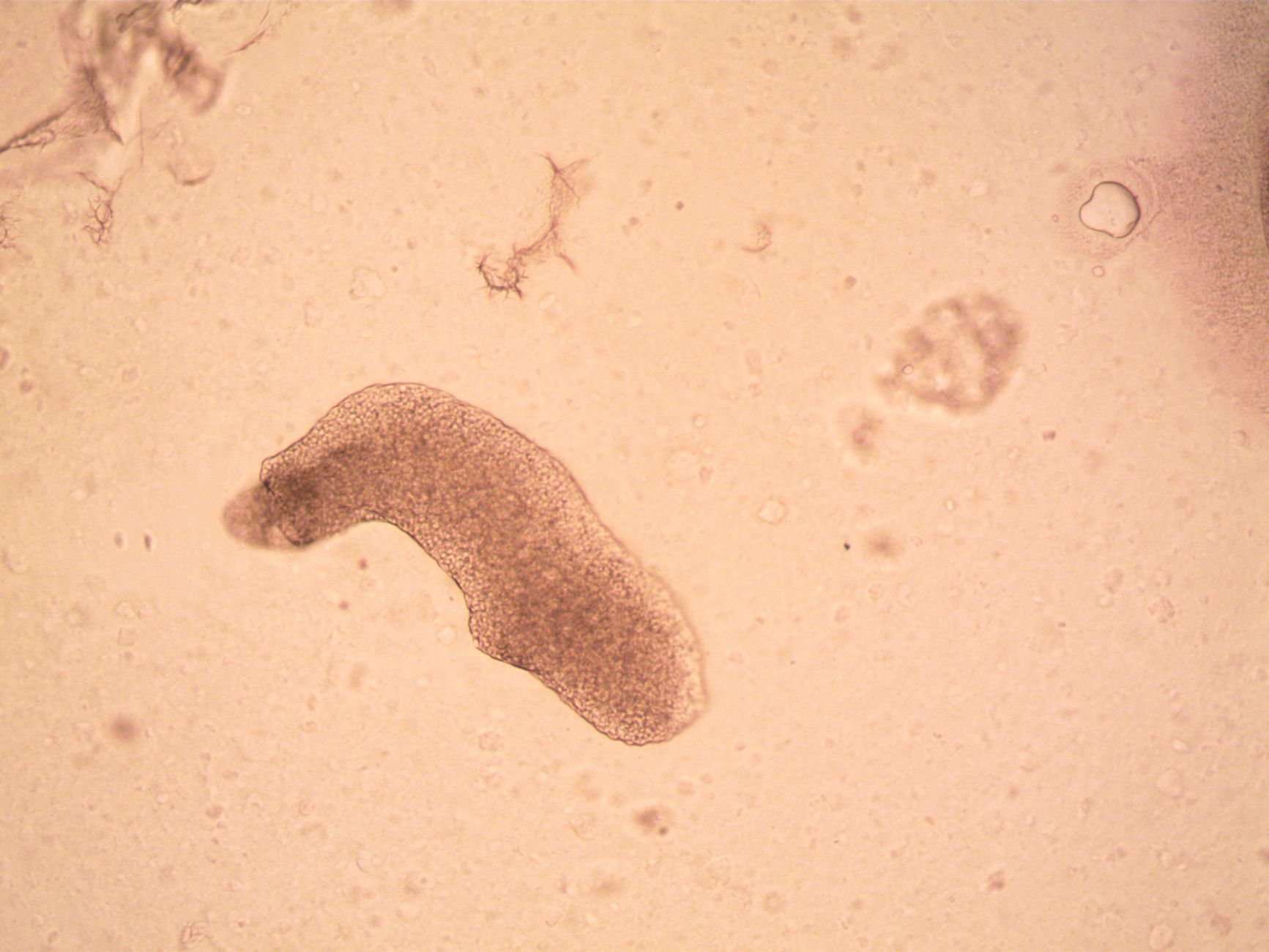
tardigrades in space have demonstrated astonishing resilience, surviving exposure to the vacuum of space and solar UV radiation. In a groundbreaking ESA experiment, 68% of these tiny creatures thrived after their journey in low Earth orbit.
What Are Tardigrades?
Tardigrades, also known as water bears, are microscopic organisms renowned for their remarkable resilience and adaptability. These tiny creatures, typically measuring between 0.3 and 0.5 millimeters in length, can survive in extreme environments that would be inhospitable to most forms of life.
Belonging to the phylum Tardigrada, these creatures are found in a variety of habitats, including soil, mosses, and lichens. Their ability to endure harsh conditions has captivated scientists and researchers worldwide, especially in the context of their survival in space. Tardigrades in space have demonstrated an astonishing capacity to withstand the vacuum of space, high levels of radiation, and extreme temperatures.
One of the most significant studies took place in 2007 when the European Space Agency (ESA) exposed 3,000 tardigrades to the vacuum of space and solar UV radiation in low Earth orbit. Remarkably, 68% of these organisms survived the harsh conditions, showcasing their unique biological mechanisms that allow them to endure stressors that would typically be lethal to other life forms.
This study not only highlighted the resilience of tardigrades but also opened up new avenues for research into the possibilities of life beyond Earth. Their ability to survive in space could provide insights into the potential for life on other planets and the resilience of biological systems under extreme conditions.
ESA’s Groundbreaking Experiment
In a groundbreaking experiment conducted by the European Space Agency (ESA) in 2007, researchers explored the resilience of tardigrades in space by exposing 3,000 of these minuscule organisms to the extreme conditions of low Earth orbit. The aim was to assess their ability to survive the vacuum of space and the intense solar UV radiation that is prevalent beyond our atmosphere.
The results were nothing short of astonishing. After a ten-day exposure, approximately 68% of the tardigrades revived after returning to Earth, demonstrating their remarkable ability to endure what many other life forms could not. This experiment not only highlighted the hardiness of tardigrades but also opened new avenues for research into the potential for life to exist beyond our planet.
During the study, the tardigrades were placed in a special container that simulated the harsh conditions of space. The researchers monitored their survival rates and reproductive capabilities upon return. The findings have significant implications for astrobiology, as they suggest that life, in some form, could potentially survive on other celestial bodies.
As scientists continue to investigate the survival mechanisms of these tiny creatures, the ESA experiment stands as a landmark study in understanding the limits of life and the resilience of organisms in extreme environments.
Survival Rates Explained
The survival rates of tardigrades in space have garnered significant attention due to their remarkable resilience. In a pioneering experiment conducted by the European Space Agency (ESA) in 2007, 3,000 tardigrades were exposed to the harsh conditions of space, including vacuum and solar UV radiation, in low Earth orbit.
This experiment yielded astonishing results, with approximately 68% of the tardigrades surviving the extreme environment. These tiny organisms, often referred to as “water bears,” have the unique ability to enter a state known as cryptobiosis, allowing them to endure conditions that would be lethal to most forms of life.
Their survival can be attributed to several factors:
- Desiccation Resistance: Tardigrades can lose nearly all their water content and remain viable for years.
- DNA Repair Mechanisms: They possess advanced systems to repair damage caused by radiation.
- Protective Proteins: Tardigrades produce special proteins that shield their cells from damage.
The findings from the ESA experiment not only highlight the incredible durability of tardigrades in space but also raise profound questions about the potential for life beyond Earth. As researchers continue to study these resilient organisms, the implications for astrobiology and our understanding of life’s limits in extreme environments become increasingly significant.
Impact of Space Conditions
The impact of space conditions on living organisms has been a subject of intense scientific inquiry, particularly in the context of extremophiles like tardigrades. These microscopic creatures, known for their resilience, were subjected to the harsh environment of space during a groundbreaking experiment conducted by the European Space Agency (ESA) in 2007.
During this experiment, 3,000 tardigrades were exposed to the vacuum of space and intense solar ultraviolet (UV) radiation while in low Earth orbit. The results were astonishing. Approximately 68% of the tardigrades not only survived but also revived after returning to Earth, demonstrating their remarkable ability to withstand extreme conditions. This resilience raises important questions about the biological mechanisms that enable tardigrades to endure such hostile environments.
- Desiccation Tolerance: Tardigrades can enter a state called cryptobiosis, where metabolic processes are almost entirely halted, allowing them to survive extreme dehydration.
- Radiation Resistance: They possess unique proteins that protect their DNA from damage caused by radiation, which is prevalent in space.
- Temperature Extremes: Tardigrades can survive temperatures ranging from near absolute zero to well above boiling point.
The findings from the ESA’s experiment not only illuminate the survival capabilities of tardigrades in space but also pave the way for future research on the potential for life beyond Earth.
Scientific Significance of Findings
The recent findings regarding tardigrades in space have significant implications for our understanding of life beyond Earth. These microscopic creatures exhibit an unparalleled ability to withstand extreme environments, making them a focal point for astrobiological research. The European Space Agency’s (ESA) experiment, which exposed 3,000 tardigrades to the vacuum of space and harmful solar UV radiation, demonstrated that 68% of these resilient organisms survived the ordeal. This remarkable survival rate challenges conventional notions of how life can exist in harsh conditions.
Key points of significance include:
- Astrobiological Insights: The ability of tardigrades to endure space conditions provides clues about the potential for life on other planets and moons, particularly in environments previously thought to be inhospitable.
- Biological Mechanisms: Understanding the biological mechanisms that allow tardigrades to resist extreme stressors can inform research in genetics, cellular repair, and even advancements in medicine.
- Space Exploration: As missions to Mars and other celestial bodies become more feasible, studying tardigrades helps scientists assess the potential for microbial life and the survival of terrestrial organisms in extraterrestrial environments.
Overall, the survival of tardigrades in space not only enhances our comprehension of life’s resilience but also paves the way for future exploration and the search for extraterrestrial life.
Future Research on Tardigrades
Future research on tardigrades in space aims to delve deeper into their remarkable survival abilities and potential applications in various fields. Scientists are particularly interested in understanding the genetic and biochemical mechanisms that enable these tiny creatures to withstand extreme conditions, such as the vacuum of space and intense radiation.
One promising area of study involves exploring how tardigrades repair damage at the molecular level. Researchers plan to investigate the proteins and genes activated during stress responses, which could lead to breakthroughs in biomedicine and biotechnology. For instance, insights gained from tardigrades might inform strategies to protect human cells from radiation during space travel or improve preservation methods for biological samples.
Additionally, future missions could involve exposing tardigrades to even more extreme environments, such as the surface of Mars or the icy moons of Jupiter and Saturn. Understanding how these organisms adapt to different extraterrestrial conditions could provide valuable information for astrobiology and the search for life beyond Earth.
Furthermore, studies on tardigrades could inspire new materials designed to withstand harsh environments. By mimicking the resilience of these organisms, scientists may develop innovative technologies for space exploration and beyond.
Overall, the ongoing research into tardigrades in space not only highlights their extraordinary capabilities but also opens new avenues for scientific inquiry and technological advancement.
Comparative Studies with Other Organisms
Comparative studies have revealed fascinating insights into the resilience of tardigrades in space compared to other microorganisms. Researchers have long been intrigued by how various organisms withstand extreme conditions, particularly in the vacuum of space. Tardigrades, often referred to as “water bears,” have demonstrated a unique ability to endure harsh environments that would be lethal to many other life forms.
In experiments conducted by the European Space Agency (ESA), tardigrades were exposed to the vacuum of space and intense solar radiation, resulting in a remarkable survival rate of 68%. This level of resilience stands in stark contrast to other organisms tested under similar conditions, such as bacteria and yeast, which showed significantly lower survival rates. For instance, while some bacterial spores can survive in space, their endurance pales compared to tardigrades, which can enter a cryptobiotic state, effectively suspending their metabolism.
Additionally, a notable comparison can be drawn with nematodes, which are also studied for their resilience. While nematodes exhibit some tolerance to stress, they do not match the extraordinary survival capabilities of tardigrades in space. The ability of tardigrades to survive cosmic radiation, high-energy particles, and extreme temperatures has positioned them as a model organism for studying life’s potential to exist beyond Earth.
These comparative studies not only highlight the unique adaptations of tardigrades but also open avenues for understanding potential extraterrestrial life.
Public Interest in Space Research
The remarkable resilience of tardigrades in space has captured the imagination of the public, leading to a growing interest in space research. As scientists uncover the secrets of these tiny creatures, more individuals are drawn to the possibilities of life beyond Earth. Tardigrades, also known as water bears, have shown an extraordinary ability to survive extreme conditions, making them a focal point for studies related to astrobiology and the potential for life on other planets.
In recent years, various outreach initiatives have aimed to educate the public about these resilient organisms and their significance in the larger context of space exploration. Events such as science fairs, public lectures, and online seminars have showcased the findings from the European Space Agency’s (ESA) groundbreaking experiment on tardigrades in space. The experiment revealed that approximately 68% of the exposed tardigrades survived harsh conditions in low Earth orbit, sparking discussions about their potential applications in understanding how life might exist in extraterrestrial environments.
The response from the public has been overwhelmingly positive, with many expressing a newfound curiosity in space science and biology. Social media has played a crucial role in disseminating information, allowing enthusiasts to share discoveries and engage in discussions about the implications of tardigrades’ unique adaptations. As interests continue to grow, the future of space research promises to be both exciting and enlightening.
Recent experiments have demonstrated that tardigrades in space can withstand extreme temperatures and radiation levels that would be lethal to most other organisms. This remarkable resilience highlights the potential of tardigrades in space for future astrobiological research.
Photo by turek on Pexels