
Tokenized commodities—digital representations of physical assets like gold, oil, and agricultural products—are transforming global trade and investment. By integrating blockchain technology with traditional commodity markets, tokenization is creating new opportunities for efficiency, transparency, and accessibility. However, as the sector grows, regulatory frameworks are evolving to address the unique challenges and risks associated with this emerging asset class. This blog explores key regulatory trends shaping tokenized commodities in 2024, their impact on the industry, and the opportunities they present.
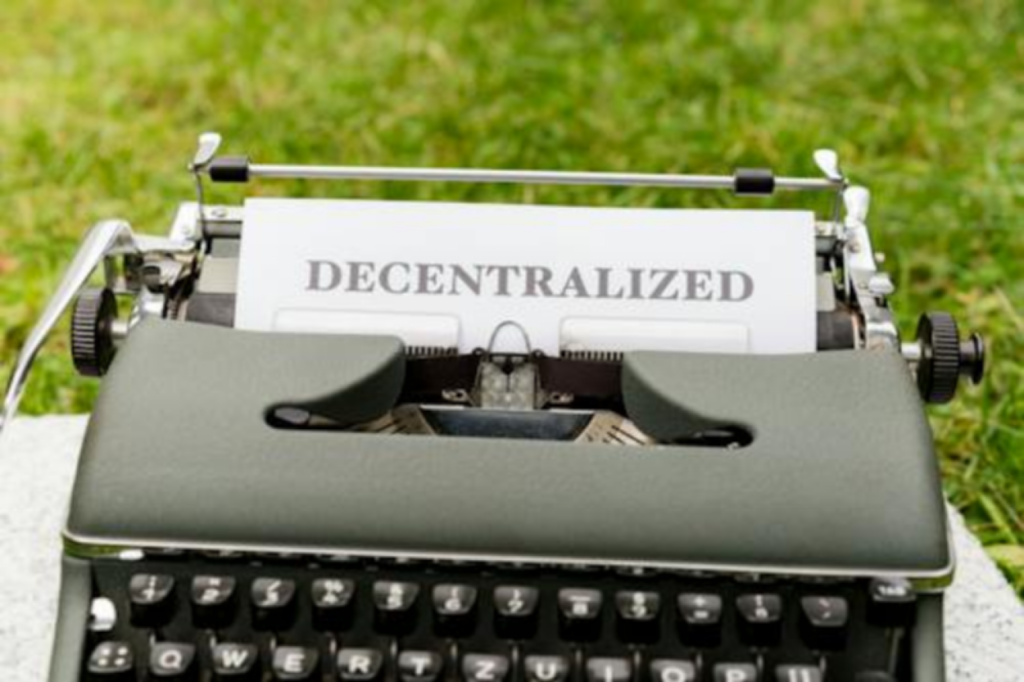
Filename: DeFi-typewriter-paper
Alt-text: Paper attached to typewriter reading Decentralized
Image Caption: Decentralized Finance typed on a paper
Understanding Tokenized Commodities
Tokenized commodities involve converting physical assets into digital tokens using blockchain technology. These tokens can be traded on decentralized platforms, providing increased liquidity, transparency, and accessibility to traditionally illiquid markets. For instance, tokenized gold allows individuals to purchase fractional ownership of physical bullion without the logistical challenges of storage. Similarly, tokenized oil or agricultural products enable real-time trading and settlement, reducing costs and improving market efficiency.
Blockchain platforms specializing in blockchain asset consulting and digital asset consulting for compliance play a critical role in ensuring that tokenized commodities adhere to legal and operational standards. As adoption grows, consultancy for DeFi finance investments and real-world asset consultants are helping companies navigate the complex regulatory landscape.
The Importance of Regulation in Tokenized Commodities
Regulation is crucial for building trust and credibility in the tokenized commodities market. It addresses concerns around fraud, market manipulation, and consumer protection while ensuring compliance with existing financial and commodity trading laws. Key regulatory bodies like the Commodity Futures Trading Commission (CFTC) in the United States and the European Securities and Markets Authority (ESMA) are increasingly focusing on tokenized assets.
The involvement of Security tokens investment consultants and DeFi real world assets investment consultants is essential to navigate these regulatory waters, as they provide expertise in aligning tokenized offerings with legal requirements.
Key Regulatory Trends in 2024
1. Standardization of Tokenized Commodities
In 2024, regulators are emphasizing the standardization of tokenized commodity contracts to ensure interoperability across platforms. Standardization simplifies compliance and fosters market trust by creating uniform rules for asset representation, valuation, and settlement.
Organizations offering blockchain and digital asset consulting and digital asset management services are increasingly advising on these standards, ensuring tokenized commodities are both legally sound and operationally efficient.
2. Integration with Traditional Commodity Markets
Regulators are working on frameworks that integrate tokenized commodities into traditional markets without disrupting existing structures. This includes guidelines for tokenized derivatives and their use in hedging strategies. Hedge fund investment companies and portfolio management consultants are exploring how tokenized assets can complement traditional commodity portfolios.
3. Focus on Environmental and Social Governance (ESG)
Tokenized commodities are being evaluated for their alignment with ESG principles. For example, tokenized agricultural products could include data on sustainable farming practices, while tokenized oil might feature carbon-offset mechanisms. These developments align with services offered by real world DeFi investment consultants and digital asset consulting for startups, enabling businesses to meet ESG compliance goals.
4. Enhanced Consumer Protection Measures
Consumer protection is a key focus for regulators, particularly in ensuring that tokenized commodities are backed by tangible assets. This includes regular audits, transparent reporting, and safeguards against market manipulation. Bitcoin investment consultants and digital assets consulting firms are actively participating in creating these protective measures.
5. Cross-Border Regulatory Cooperation
Given the global nature of blockchain networks, cross-border regulatory cooperation is essential for the success of tokenized commodities. Organizations like the International Organization of Securities Commissions (IOSCO) are fostering collaboration between national regulators to create cohesive frameworks. Global digital asset consulting firms and real-world assets on chain investment consultants play a pivotal role in facilitating compliance across jurisdictions.

Image filename: looking-at-asset-value
Image alt text: Assessing asset value on a screen.
Caption: Going over asset value on a screen.
Practical Applications of Tokenized Commodities
Tokenized Gold
Gold remains one of the most popular commodities for tokenization due to its stable value and universal demand. In 2024, platforms offering Stablecoins for investment and digital asset investment solutions are expanding access to tokenized gold. These platforms allow individuals to trade fractional shares of physical gold in real time, enhancing liquidity and reducing storage costs.
Tokenized Oil
Tokenized oil is revolutionizing energy markets by enabling instant settlement and reducing counterparty risk. Blockchain-powered smart contracts ensure compliance with complex energy trading regulations, a service supported by DeFi finance consulting services and real asset tokenization investment consultants.
Tokenized Agricultural Products
Tokenizing agricultural commodities like coffee, wheat, and soybeans improves supply chain transparency and reduces inefficiencies. For example, blockchain technology can track a product’s journey from farm to table, ensuring ethical sourcing and compliance with trade regulations. This aligns with the expertise of RWA tokenization investment consultants and real world assets crypto investment consultants.
Challenges in Regulating Tokenized Commodities
While the benefits of tokenized commodities are clear, several challenges remain:
Jurisdictional Ambiguities
Different countries have varying approaches to regulating tokenized assets, leading to inconsistencies. This is where cryptocurrency investment consultants and digital asset management companies provide crucial guidance for navigating complex legal landscapes.
Technological Limitations
Scalability and interoperability issues still hinder the seamless trading of tokenized commodities. However, projects like Polkadot and Cosmos are addressing these challenges, supported by blockchain asset investments consultants and digital asset strategy consulting firms.
Security Concerns
Cybersecurity risks, including hacking and fraud, remain a concern for tokenized commodity platforms. Enhanced security protocols, combined with services from digital asset portfolio management and crypto asset management firms, are mitigating these risks.
The Role of Industry Stakeholders
Governments and Regulators
Governments are setting the tone for the tokenized commodities market through comprehensive regulations that balance innovation with consumer protection. Regulatory bodies are increasingly consulting with real world asset consultants and Security tokens investment consultants to ensure robust frameworks.
Technology Providers
Blockchain technology providers are at the forefront of innovation, developing platforms that meet regulatory standards while enhancing efficiency and accessibility. Their collaboration with digital asset management consultants and blockchain and digital asset consulting firms ensures the seamless integration of tokenized commodities into traditional markets.
Market Participants
From retail traders to institutional players, market participants are driving demand for tokenized commodities by seeking alternative investment options. Services offered by altcoin investment options and cryptocurrency investment solutions firms are catering to this growing interest.
Gain Insights with Kenson Investments
Kenson Investments provides clear, concise education on the latest trends in digital assets and tokenization. Empower decisions with accessible, expert-driven content.
About the Author
The author is a seasoned writer specializing in financial technology and blockchain innovations. With a passion for exploring emerging trends, they provide insights into the intersection of technology and global markets, focusing on topics like tokenization, regulatory developments, and digital asset strategies. Their work aims to simplify complex concepts for readers seeking to understand the evolving financial landscape.
Disclaimer: The information provided on this page is for educational and informational purposes only and should not be construed as financial advice. Crypto currency assets involve inherent risks, and past performance is not indicative of future results. Always conduct thorough research and consult with a qualified financial advisor before making investment decisions.
“The crypto currency and digital asset space is an emerging asset class that has not yet been regulated by the SEC and US Federal Government. None of the information provided by Kenson LLC should be considered as financial investment advice. Please consult your Registered Financial Advisor for guidance. Kenson LLC does not offer any products regulated by the SEC including, equities, registered securities, ETFs, stocks, bonds, or equivalents”