
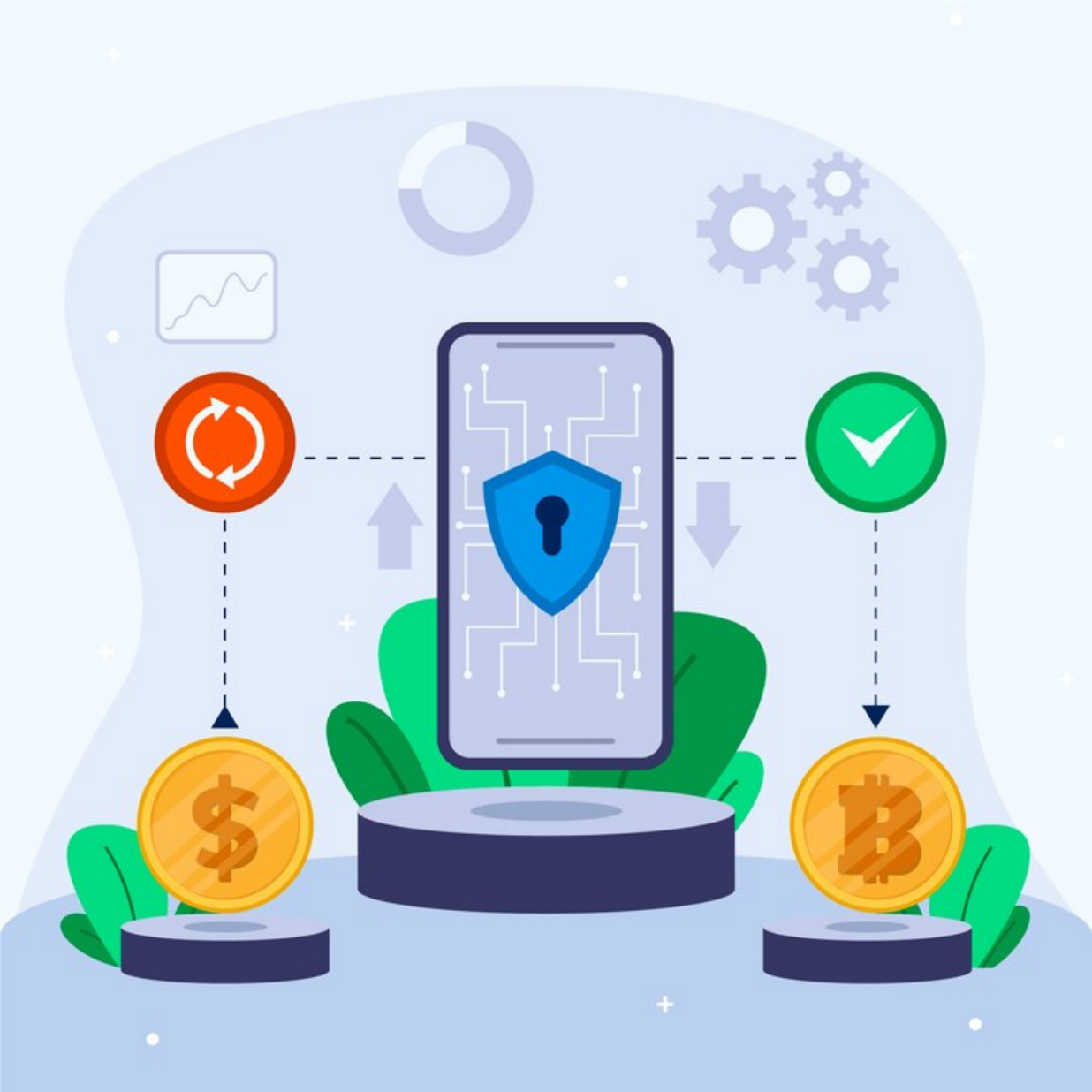
Digital assets, including cryptocurrencies, NFTs (non-fungible tokens), RWAs, stablecoins, and more, have seen explosive growth in recent years. According to a report by Statista, the global cryptocurrency market capitalization surpassed $2 trillion in 2024. Similarly, the NFT market reached a staggering $24 billion in 2023, as reported by DappRadar.
As digital investments—ranging from cryptocurrencies to digital real estate—grow in prominence, so does the risk of cyber threats. Ensuring the safety of these assets requires a robust cybersecurity strategy. This rapid expansion underscores the need for effective cybersecurity measures to protect these valuable assets.
The Digital Asset Landscape: A High-Stakes Arena
The cryptocurrency ecosystem is a complex interplay of technology, finance, and human behavior. Its decentralized nature, while fostering innovation, also creates vulnerabilities.
The absence of traditional financial intermediaries, such as banks, means that investors bear the sole responsibility for safeguarding their digital assets.
Moreover, the high value associated with cryptocurrencies makes them a prime target for cybercriminals. The potential rewards are substantial, driving a relentless pursuit of vulnerabilities by malicious actors.
The Looming Threat: Cybersecurity Risks
The cybersecurity landscape in the cryptocurrency world is fraught with dangers. Here are some of the most prevalent threats:
Phishing Attacks: Cybercriminals often use phishing tactics to trick investors into revealing their private keys or login credentials. These attacks can occur via email, fake websites, or even social media.
Malware: Malware designed to steal private keys or login information is a significant threat. This type of malicious software can be delivered through compromised downloads or email attachments.
Exchange Hacks: Cryptocurrency exchanges are frequent targets for hackers due to the large volumes of assets they hold. High-profile breaches have resulted in the loss of millions of dollars worth of digital assets.
Wallet theft: Digital wallets, if not secured adequately, can be targets for hackers aiming to steal cryptocurrencies.
Smart Contract Vulnerabilities: Smart contracts are self-executing contracts with terms written into code. Vulnerabilities in these contracts can be exploited to steal assets or cause operational disruptions.
Recommended Read: The Evolution of Blockchain Layer 1: From Bitcoin to Modern Protocols
| Why Cybersecurity is CrucialRising Cyber Threats: The digital asset space is a prime target for cybercriminals. In 2023 alone, the cryptocurrency sector experienced losses of approximately $4 billion due to hacks and scams.Irreversible Transactions: One of the fundamental features of cryptocurrencies is the irreversibility of transactions. Once a transaction is confirmed on the blockchain, it cannot be undone. This permanence means that if assets are stolen or lost due to a security breach, recovery is often impossible.Lack of Regulation: Unlike traditional financial systems, the digital asset space is still relatively unregulated. This regulatory gap makes it difficult for investors to seek recourse or compensation in the event of a cyber-attack.Complex Security Ecosystem: Digital asset investments often involve complex ecosystems, including wallets, exchanges, and blockchain networks. Each component introduces its own security risks, making comprehensive cybersecurity a necessity. |
Effective Cybersecurity Strategies
- Use Unique, Strong Passwords: One of the simplest yet most effective security measures is to use strong, unique passwords for all accounts. Avoid using the same password across multiple platforms.
- Enable 2FA (Two-Factor Authentication): 2FA adds an additional security layer by requiring a second verification form, such as a code sent to your phone, in addition to your password.
- Utilize Hardware Wallets: For storing cryptocurrencies, hardware wallets provide a secure offline solution that is less vulnerable to online attacks compared to software wallets.
- Regular Software Updates: Keeping your software and applications up-to-date ensures you have the latest security patches and protections against known vulnerabilities.
- Use Reputable Exchanges and Platforms: Choose exchanges and platforms with a strong track record of security and compliance. Check for reviews and any past incidents of security breaches.
- Backup Your Assets: Regularly backup important data and private keys in secure locations. Consider using encrypted backups stored offline to reduce the risk of theft.
- Cold Storage: A portion of your cryptocurrency holdings should be stored offline to reduce exposure to online threats.
- Conduct Regular Security Audits: Regularly auditing your security measures and practices helps identify and address potential vulnerabilities before they can be exploited.
| Bonus: Tips for Protecting Digital AssetsAvoid Public Wi-Fi: Avoid accessing sensitive accounts or conducting transactions over public Wi-Fi networks. Use a secure, private network whenever possible.Monitor Account Activity: Regularly check your account activity for any suspicious transactions or changes. Early detection of unauthorized activity can help mitigate potential losses.Use Multi-Signature Wallets: Multi-signature wallets require multiple approvals before a transaction can be executed, adding an extra layer of security.Diversification: Spread your investments across multiple platforms and wallets to reduce the impact of a single attack.Secure Your Devices: Ensure that all devices used for accessing digital assets are secured with strong passwords, encryption, and up-to-date antivirus software. |
Kenson Investments: Your Trusted Partner in Protecting and Growing Your Digital Assets
Kenson Investments understands the complexities and risks inherent in the cryptocurrency market. The seasoned team of digital asset specialists at the company is dedicated to providing you with the highest level of protection and guidance.
Call now to learn more about their comprehensive suite of services designed to minimize associated risks with your digital assets and optimize your investment strategy. Benefit from the team’s deep market knowledge and experience to build a diversified portfolio while mitigating emerging cyber threats.
About The Author
Jay P. is an accomplished cybersecurity specialist who deals with digital asset investments. With a passion for deciphering the intricacies of Blockchain technology, he brings a wealth of knowledge to the forefront. Jay has a proven track record of exploring innovative solutions that empower secure digital transactions, making him a reliable source for decoding the transformative impact of Blockchain on the ever-evolving landscape of digital assets and investments.
Disclaimer: “The cryptocurrency and digital asset space is an emerging asset class that has not yet been regulated by the SEC and US Federal Government. None of the information provided by Kenson LLC should be considered financial investment advice. Please consult your Registered Financial Advisor for guidance. Kenson LLC does not offer any products regulated by the SEC including, equities, registered securities, ETFs, stocks, bonds, or equivalents”